
Reporting
When Barbara Miller was in elementary school, she covered her face while walking to class. “It hurt so bad to breathe. Your neck, your throat, your eyes,” Miller said. Doors that led to a breezeway got jammed with kids “[backing] up like cattle,” Miller said, because no one wanted to exit the school and enter the smog.
magine a slimy, speckled tube with four legs that appear to have been attached with spare parts. The toes—four on the front legs, five on the rear—resemble blown-up rubber gloves. The head is bumpy on top with a wide, flat mouth that curves into a smile. Hellbenders, giant salamanders that can reach more than two feet long in adulthood, have lived in Appalachia’s mountain streams for more than 150 million years. No one knows for sure how they earned their name, but folklore says early colonists believed the creatures were “from hell where they’re bent on returning.”
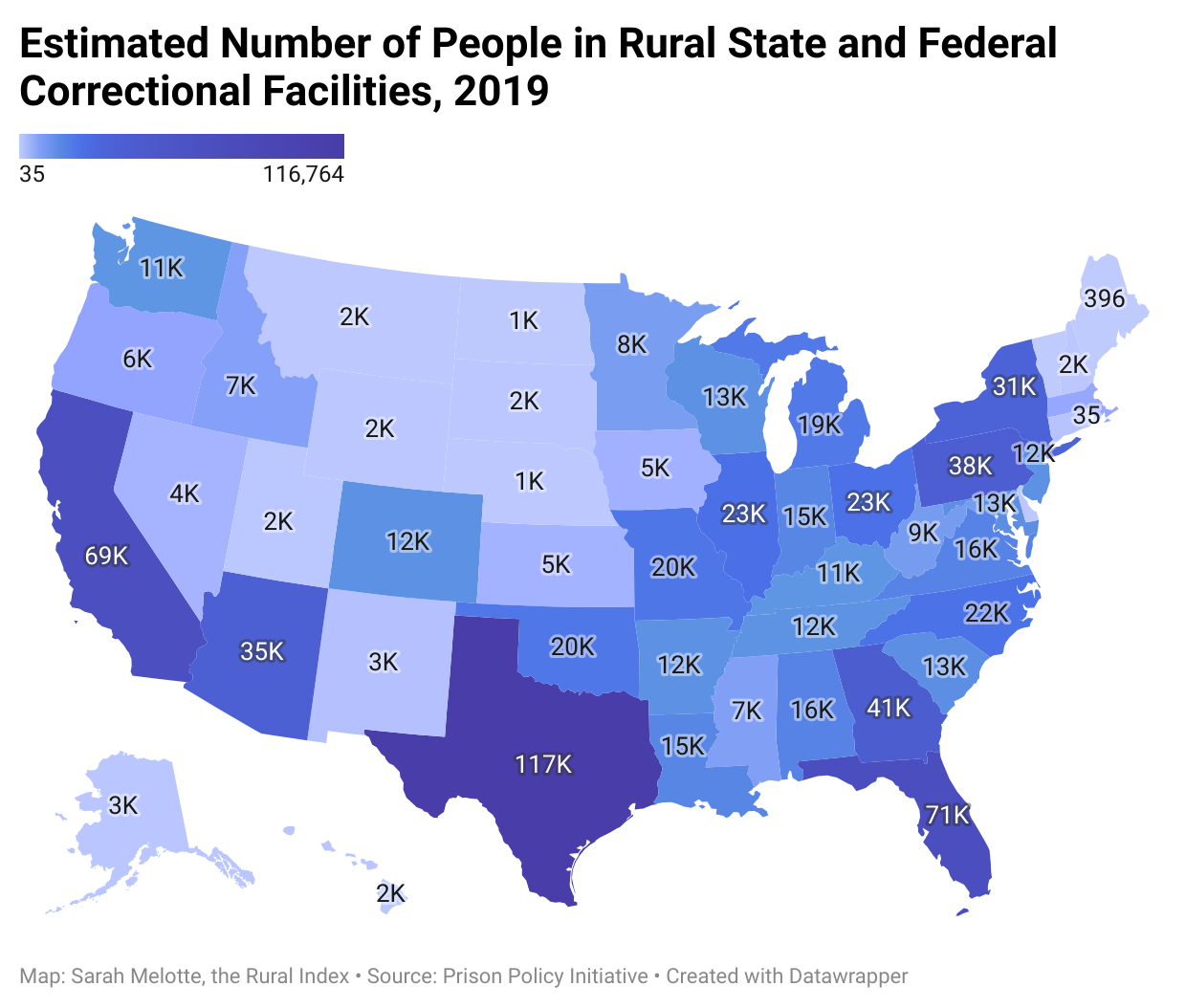
Nearly 783,200 of the total 1.3 million people who are incarcerated in this country are locked up in rural counties, areas that are more likely to face hospital closures, according to the Prison Policy Initiative, a nonprofit, nonpartisan research and advocacy organization working to expose the harm of mass incarceration.
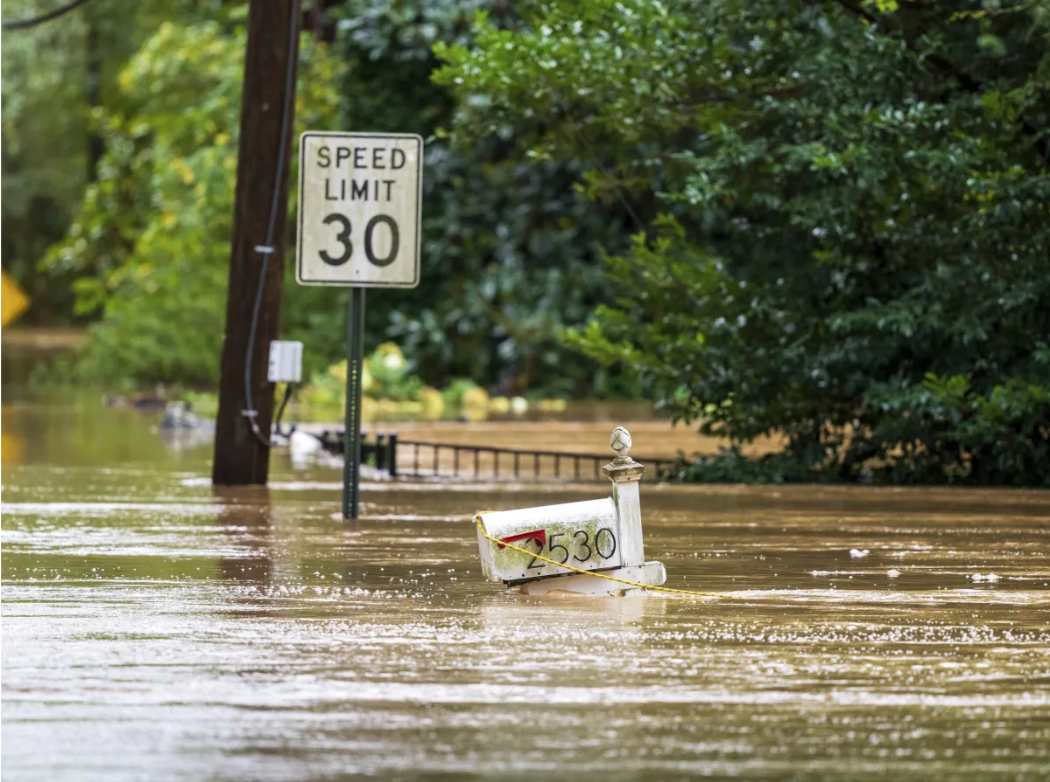
The howling winds of a tornado jolted Jelessica Monard awake in the early morning hours last fall. She was five months pregnant with her first child when Hurricane Helene struck her rural Georgian town of Swainsboro.
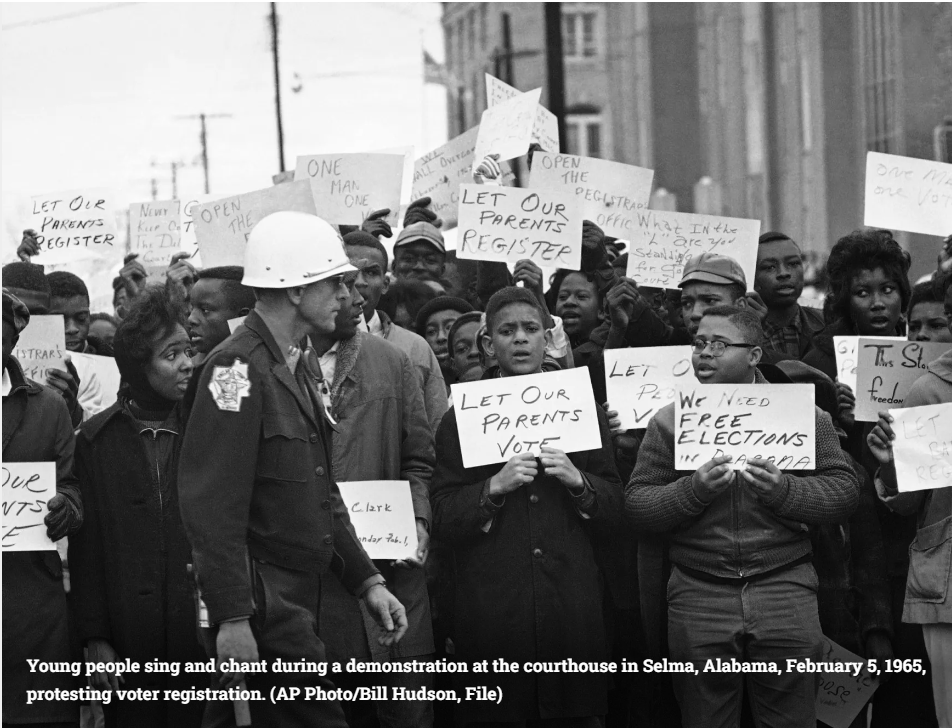
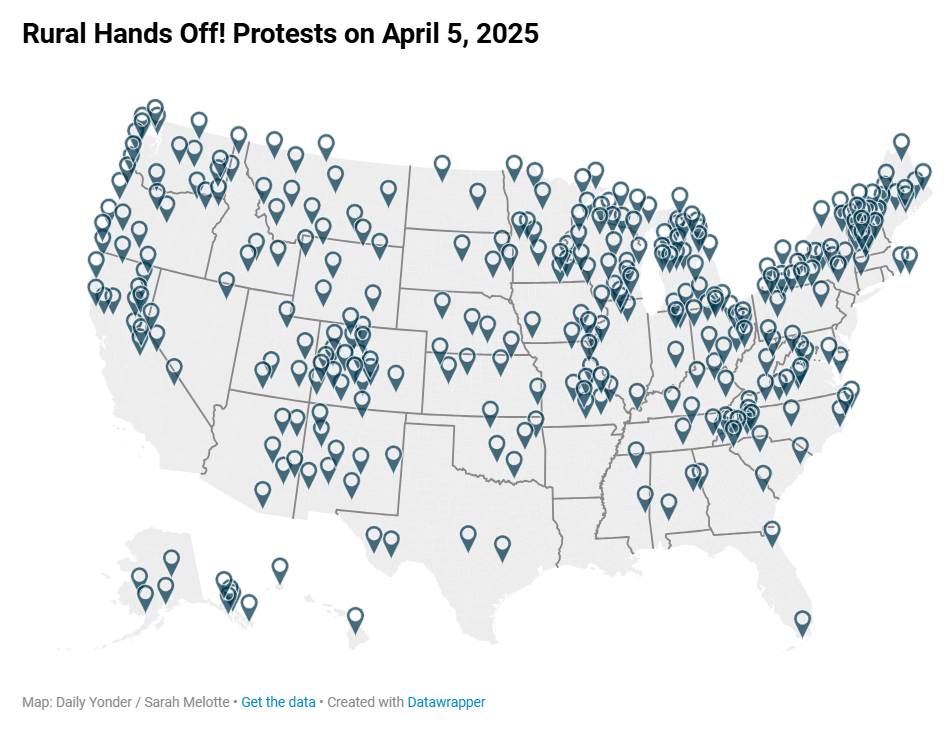
On April 5th, 2025, people took to the streets across the country to protest the Trump administration’s broad actions aimed at reducing, defunding, and – in specific cases – closing entirely various federal agencies. While there were large protests in cities like New York, Washington D.C., Chicago, and more, rural communities also showed up, sometimes with significant percentages of the local population.
On the first night of February, I tossed and turned until dawn worrying about my job. I had just seen a Reddit post warning members of a geography subreddit that the federal government was shutting down data portals in 90 minutes.
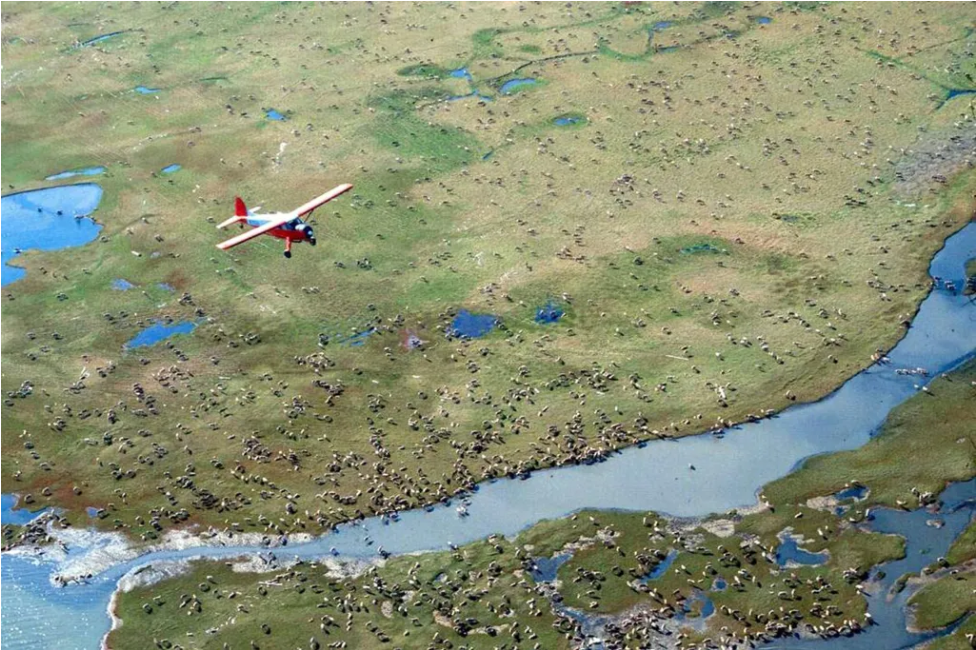
On January 9th, the United States Department of the Interior will hold the second of two scheduled auctions for oil and gas leases in the Arctic National Wildlife Refuge (ANWR), a 19-million-acre expanse in Alaska’s North Slope Borough, an equivalent to a county in Alaska’s jurisdictions, that has been a focal point of drilling controversy for over six decades.
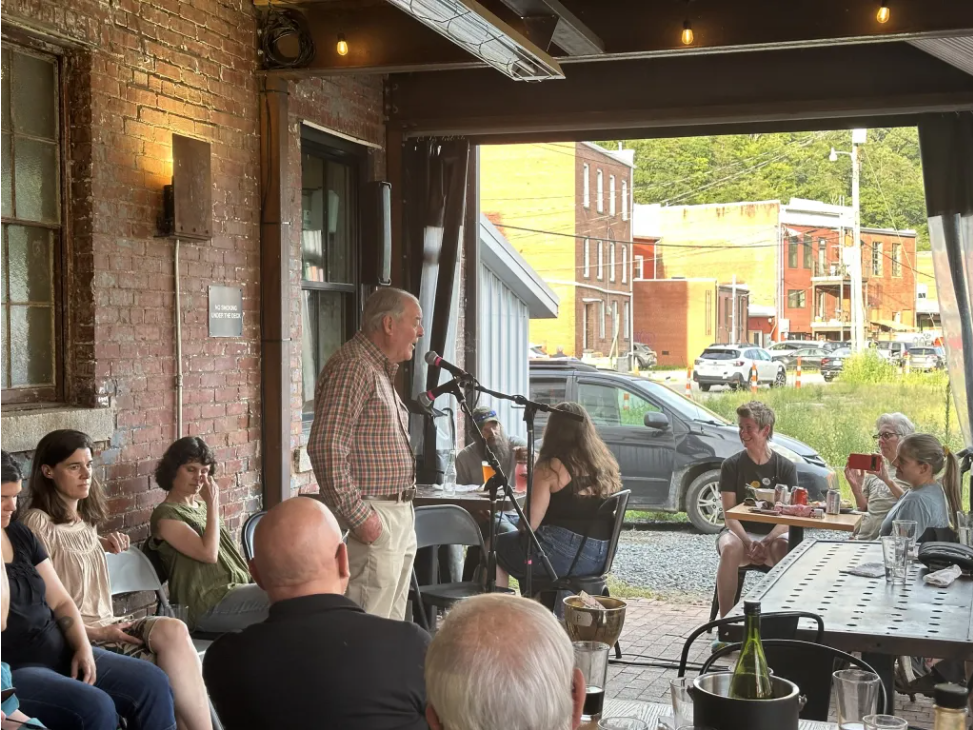
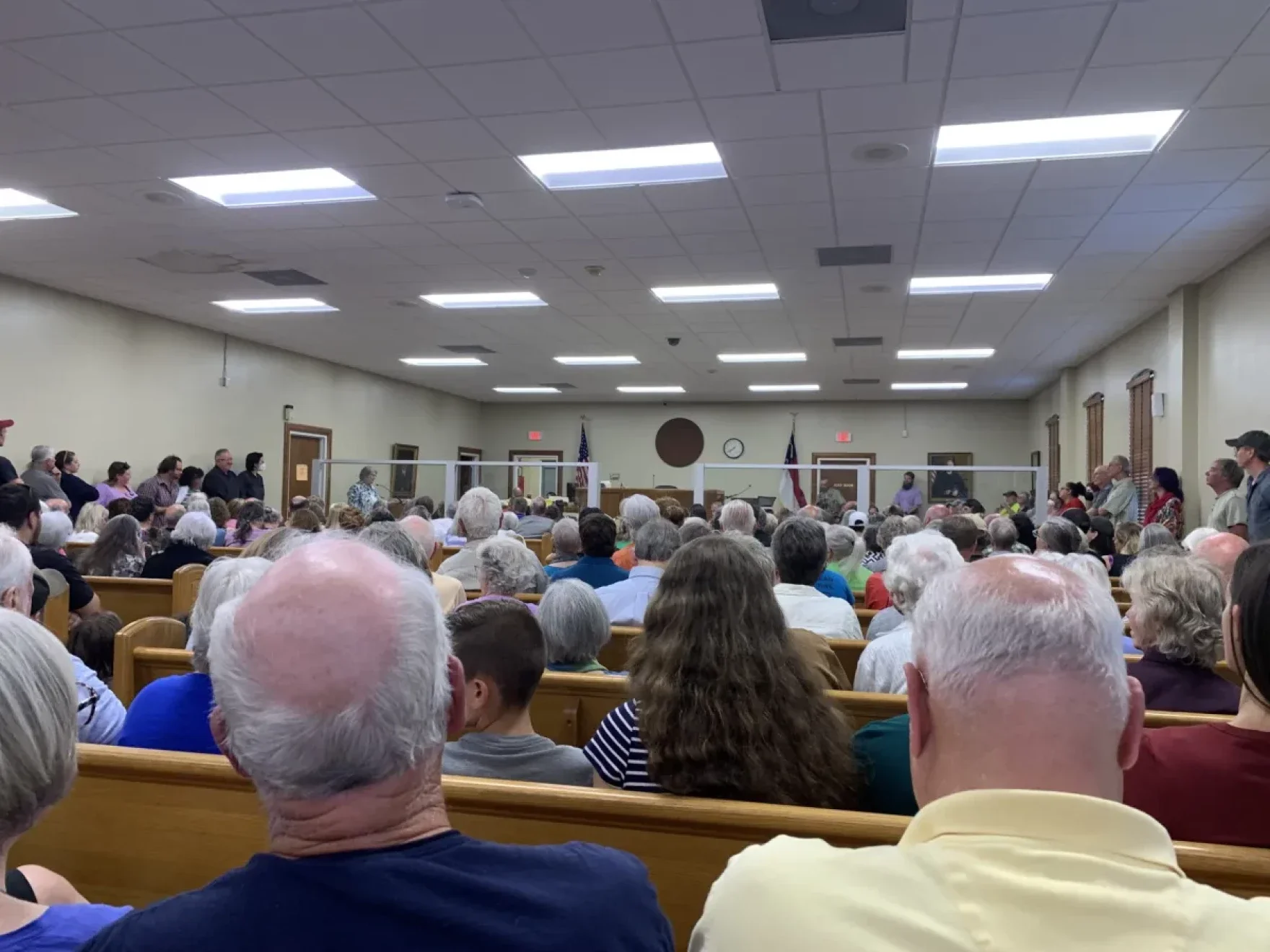
The high elevation usually keeps things cool here in the Blue Ridge Mountains of North Carolina, but temperatures were sweltering by mountain standards on July 10, when hundreds of people gathered in a hot courtroom to show support for their regional library system.
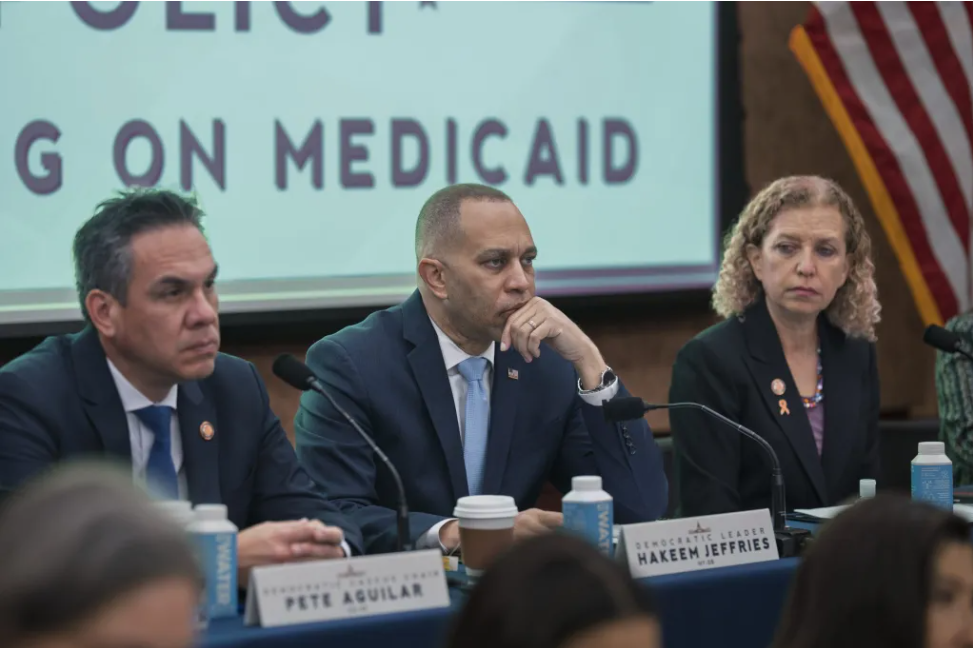
In Western North Carolina, many of the region’s 153,000 childbearing-aged women often must travel long distances for prenatal care and delivery at the area’s eight hospitals. Maternal health experts and mothers discuss the causes, impact and potential solutions to addressing WNC’s “maternal care desert.”
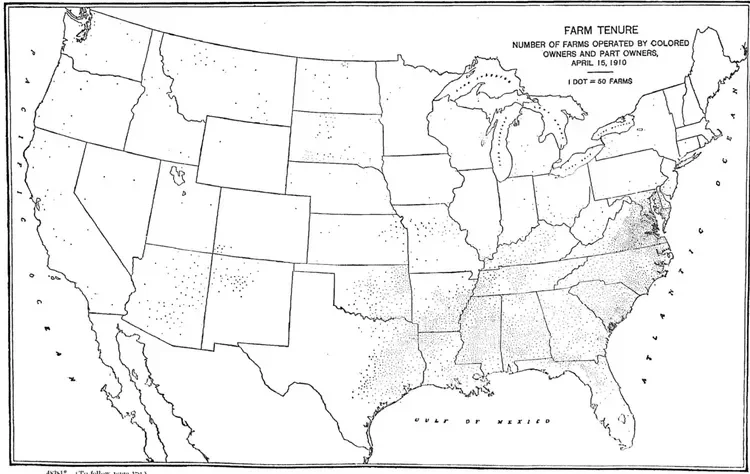
Developers and others have used the complexities of heirs’ property ownership to force the sale of family-owned land, generating wealth for some and a paucity for others.
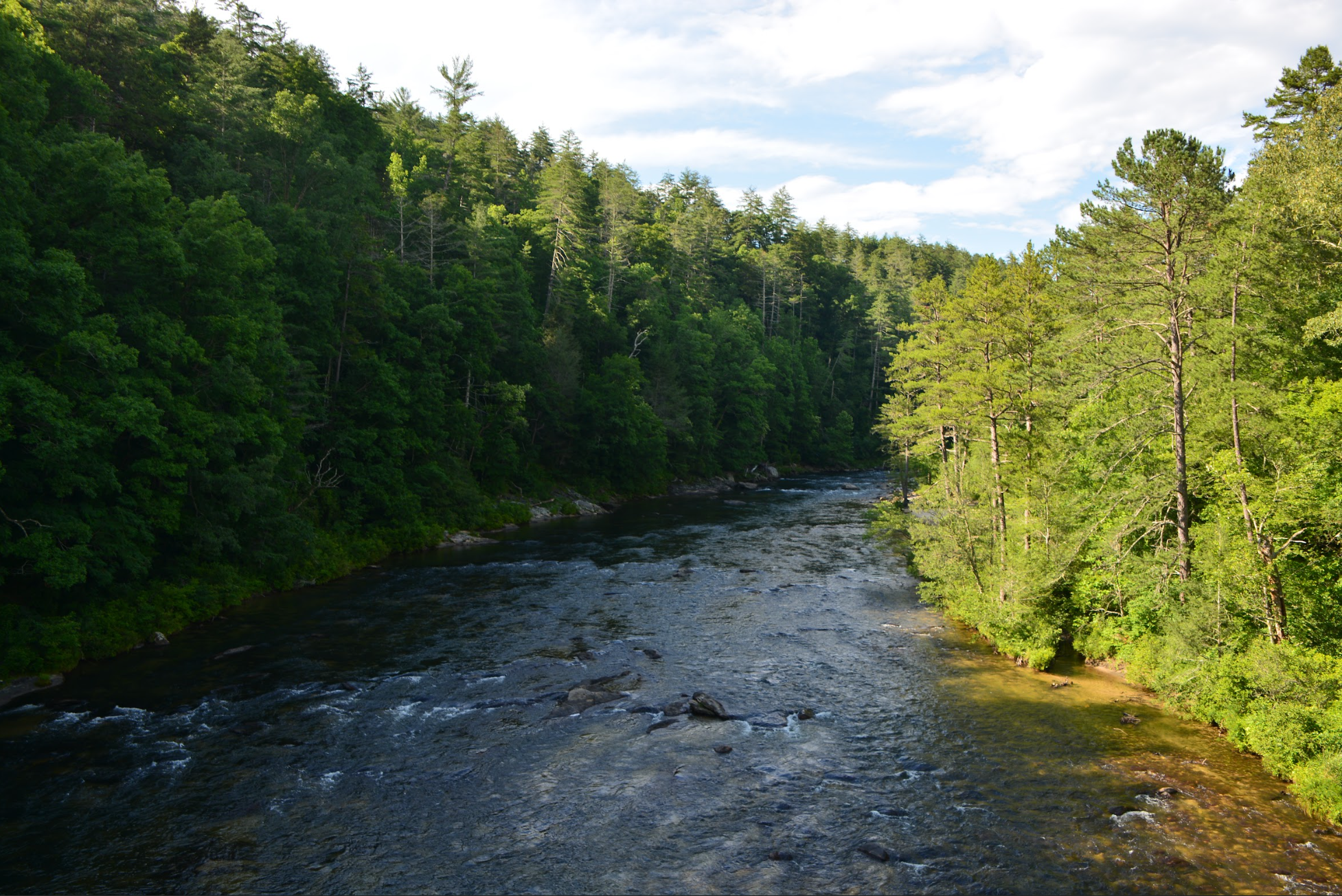
I climb a boulder that juts out into rapids. The rushing water is so loud it drowns out my breath. I’ve come to the banks of the Chattooga River for solitude, for the way water carries away inner noise. I’m here early enough that I get a few moments of peace all to myself. The river works on me like it works on rock. Under the force of a little pressure I am smoothed out.
In addition to the selection above, Sarah’s research and analysis on rural communities has also been cited by other journalists in the Atlantic, Time Magazine, and The New York Times, among others.
The Rural Index
The Rural Index is a biweekly newsletter featuring rural maps and charts by the Daily Yonder’s resident geographer, Sarah Melotte.
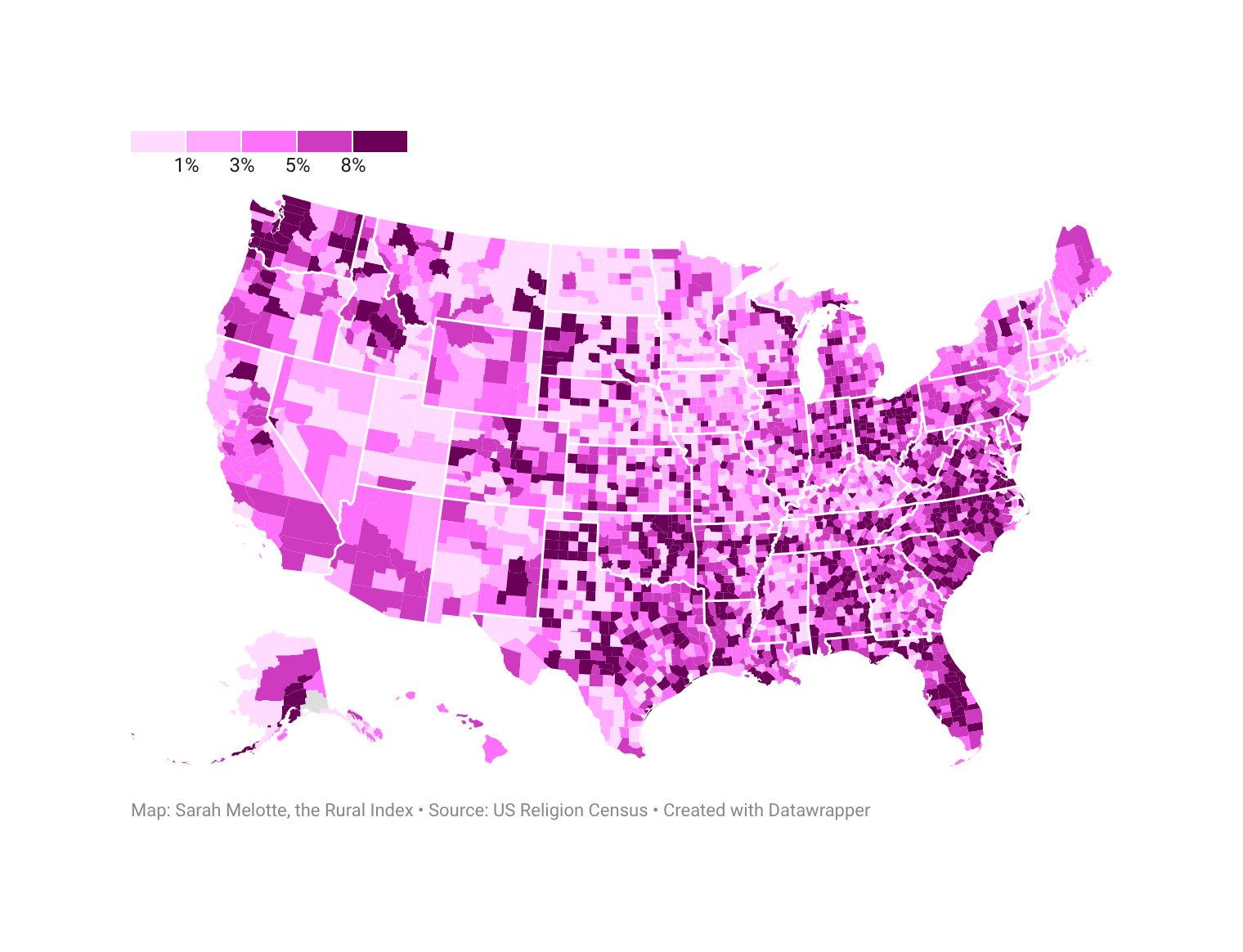
Non-denominational Christianity is growing nationwide, but rural areas still have lower rates compared to their urban and suburban counterparts. In this edition of the Rural Index, I’m exploring the spatiality of non-denominational Christians using data from the 2020 US Religion Census.
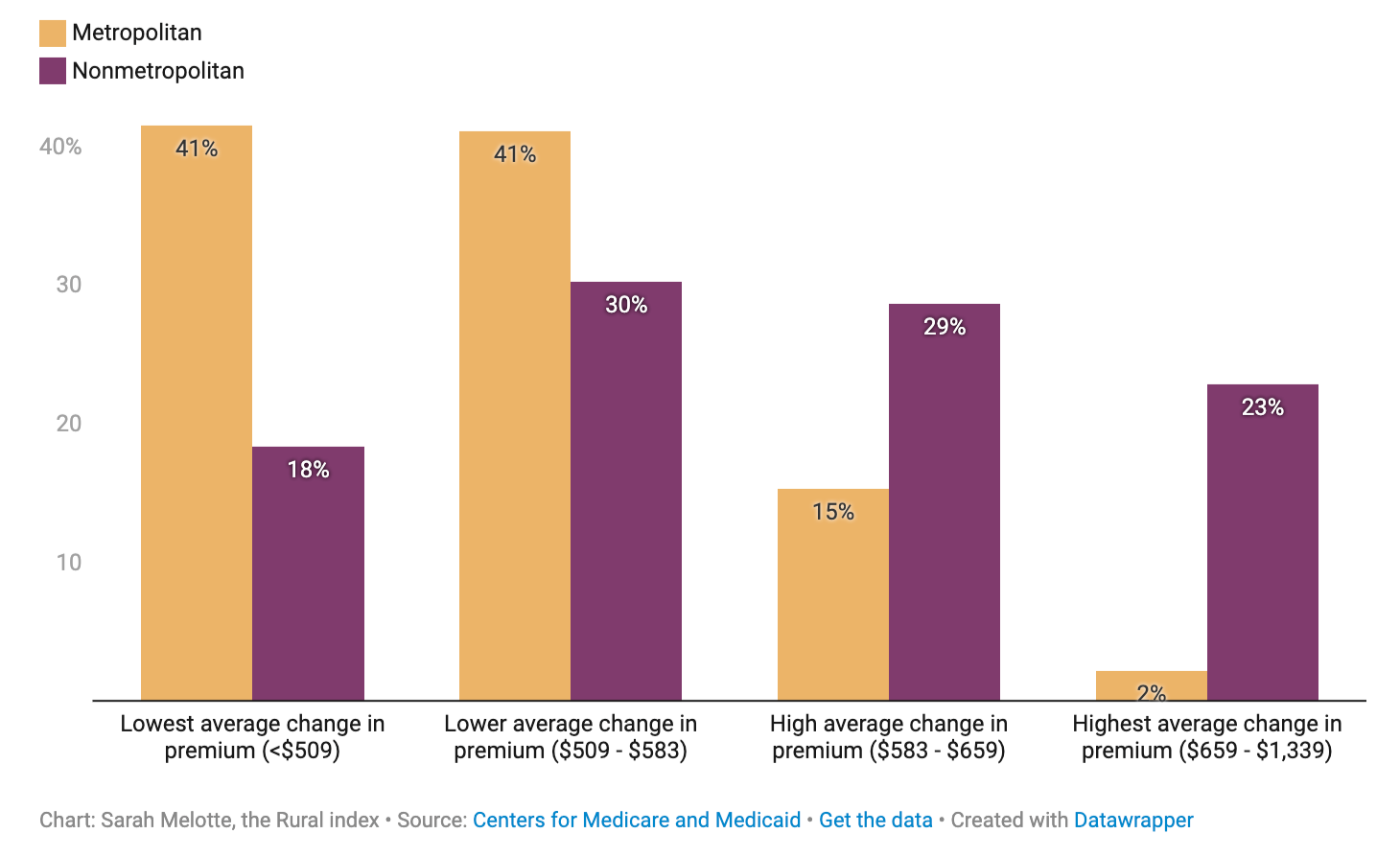
Rural residents are more likely to see monthly premium hikes compared to their metropolitan counterparts.
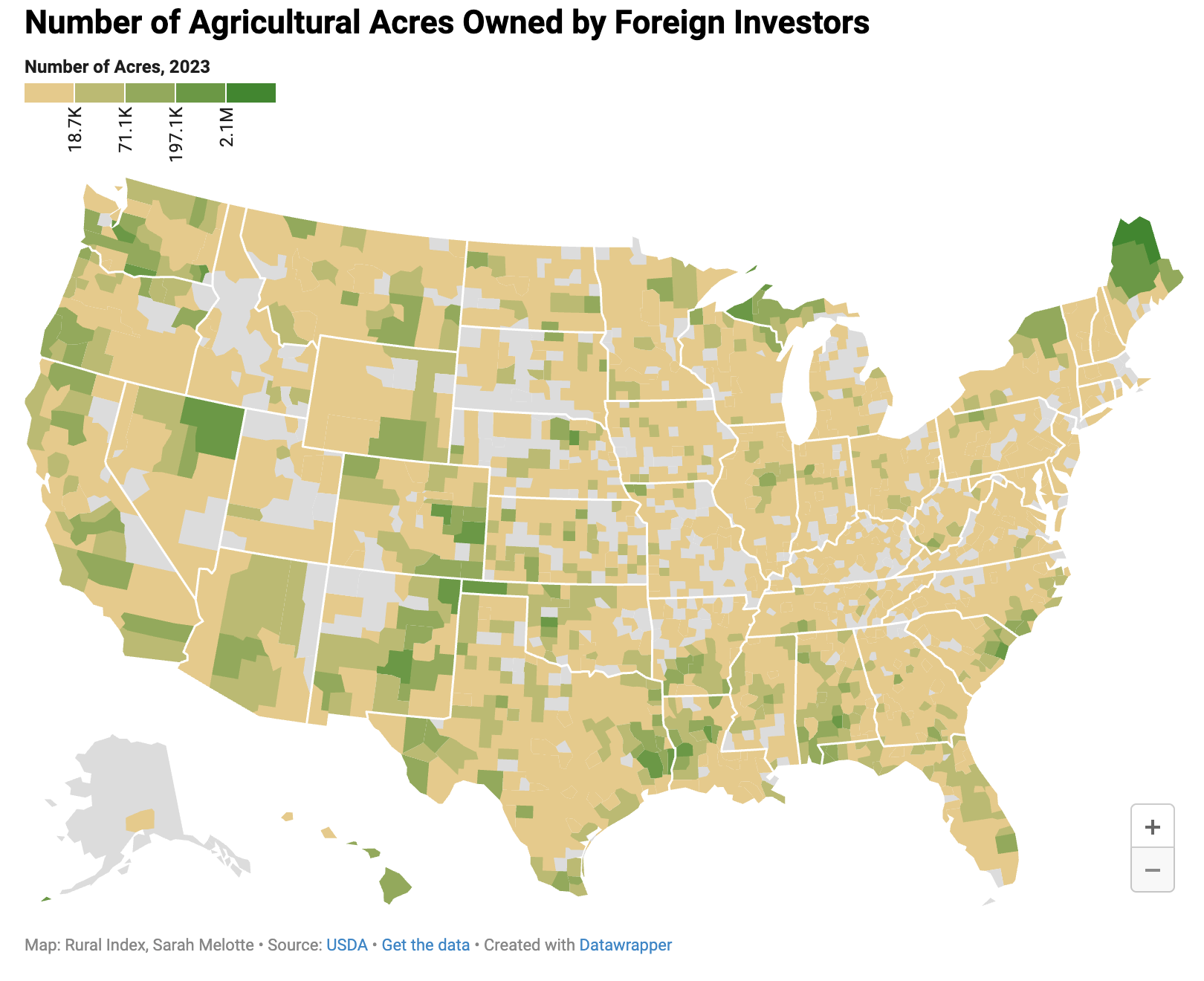
Foreign investors own almost 46 million acres of farm land in the United States, according to data from the 1978 Agricultural Foreign Investment Disclosure Act (AFIDA), a federal law meant to track international interest in American land. Foreign-owned farmland had a total estimated value of $82.6 billion in 2023, the last year of available data.
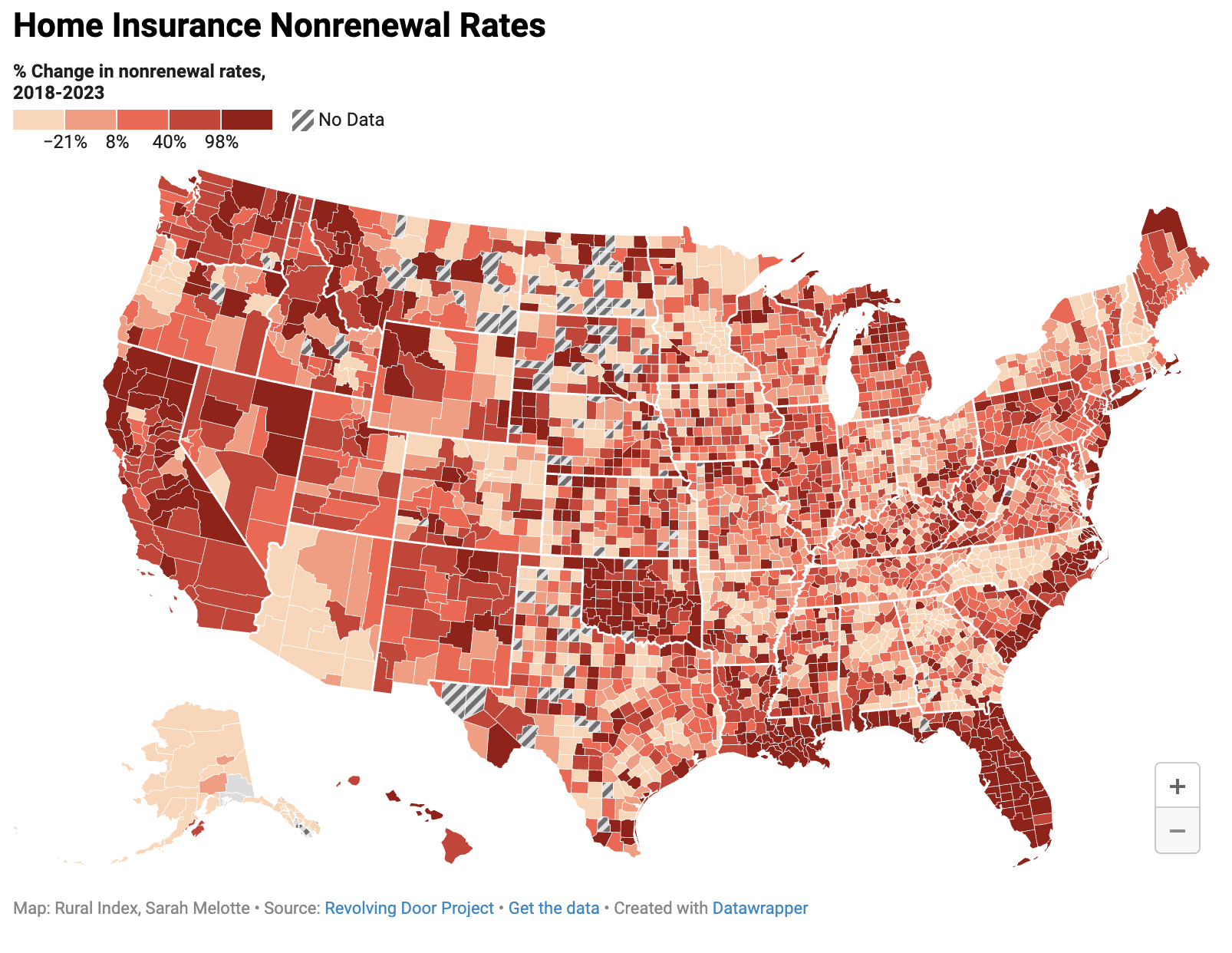
For home insurance companies, insuring properties is a gamble, and it’s increasingly not worth the risk. Sometimes, companies will decide to drop homeowners by not renewing their plans.
Selected Editing
by Madeline de Figueiredo, The Daily Yonder